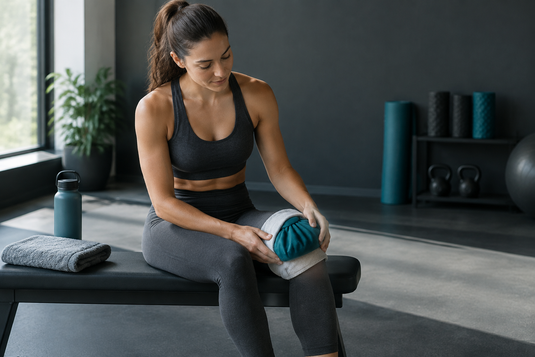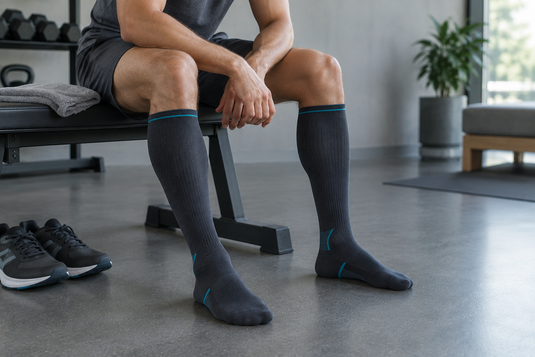
Your workout may be finished, but your recovery routine is just beginning. After a run, a gym session, or a busy day on your feet, small choices can help you settle into a more comfortable wind-down. Recovery socks are one option worth understanding before you add them to your kit.
At Enduran Lab, we believe in a simple rhythm: TRAIN with purpose. PERFORM with confidence. RECOVER with intention. Here is how to choose recovery socks thoughtfully, find the right fit, and keep their role in perspective.
What are recovery socks?
Recovery socks are socks marketed for use during rest or after activity. Some offer compression, while others focus on cushioning, fabric feel, or everyday comfort. The name alone does not tell you how much compression a pair provides or whether it is suitable for medical use.
Check each product's description, sizing guidance, and intended use. Do not assume every recovery sock is a graduated compression sock or a medical compression garment.
Recovery socks vs regular socks: what should you compare?
Rather than relying on the label, look at the details that matter to your routine:
- Fit: The sock should sit smoothly without bunching, slipping, or painfully digging into your skin.
- Construction: Consider the cuff, seams, cushioning, and coverage you prefer.
- Fabric: Review the listed materials and care instructions, especially if you have sensitive skin.
- Compression: If compression is specified, check its stated level and intended use rather than guessing from how tight the sock feels.
Can recovery socks help after exercise?
Some people find supportive socks comfortable after training. That personal preference is different from a guarantee of faster recovery, reduced soreness, or better performance.
Recovery socks should complement your routine, not replace adequate sleep, nutrition, hydration, and sensible training loads. Feeling more comfortable is not a reason to ignore pain or return to hard exercise before you are ready.
How to choose the right recovery socks
Start with the size chart
Use the manufacturer's measurements. Depending on the design, sizing may involve more than shoe size, such as ankle or calf circumference. Measure where instructed and avoid choosing a smaller size simply to get a tighter fit.
Match the socks to your purpose
Think about when you plan to wear them: relaxing after training, walking around at home, or another use listed by the manufacturer. A sport-focused sock is not automatically appropriate for treating swelling or a circulation condition.
Prioritise comfort over intensity
More pressure is not necessarily better. If you need medical compression, a qualified healthcare professional should help you select the appropriate garment and use instructions.
Wearing recovery socks after a workout
After cooling down, check your feet and legs, then put on the socks according to the product instructions. Smooth out wrinkles and make sure the heel is positioned correctly. Avoid rolling a compression cuff down, as this can create a tight band.
Follow the manufacturer's guidance on wear duration. There is no single schedule that suits every sock and every person. Do not assume a pair is suitable for overnight wear unless its instructions or your clinician specifically support that use.
Remove the socks if you notice numbness, tingling, increasing pain, skin irritation, unusual coldness, or colour changes. Seek medical advice if symptoms persist.
When to get advice before using compression socks
If you have a circulation condition, reduced sensation, damaged skin, or a medical condition affecting your feet or legs, speak with a healthcare professional before trying compression recovery socks. New or unexplained swelling should be assessed rather than managed by choosing tighter socks.
Sudden swelling or pain in one leg needs prompt medical assessment. Chest pain or breathlessness requires urgent medical help. Recovery accessories are not a substitute for evaluating concerning symptoms.
A simple post-workout recovery routine
- Wind down: Allow time to transition out of your workout with easy movement if comfortable.
- Refuel and hydrate: Plan food and fluids around your activity and individual needs.
- Get comfortable: Change out of damp clothing and choose socks that feel appropriate for your downtime.
- Make room for rest: Protect your sleep and adjust your next session when fatigue calls for it.
Keep the routine manageable. Consistency matters more than collecting every recovery accessory.
Caring for your recovery socks
Follow the care label rather than applying a one-size-fits-all washing method. Check whether tumble drying is allowed, and inspect the socks for worn areas, stretched cuffs, or a change in fit. If a compression sock no longer fits as intended, consult the manufacturer's replacement guidance.