Training gets your attention. Recovery deserves it too. From reusable cold packs to cold-water immersion, cold therapy is a familiar part of many athletes' routines. But colder is not automatically better, and a recovery tool should never become a test of how much discomfort you can tolerate.
At Enduran Lab, our approach is simple: TRAIN with purpose. PERFORM with confidence. RECOVER with intention. Here is a practical introduction to cold therapy, its limitations, and the safety checks to consider before trying it.
What is cold therapy?
Cold therapy means applying cold to the body. Local applications include cold packs and cooling wraps. Cold-water immersion exposes a larger part of the body to cold water, sometimes in a plunge tub or ice bath.
These methods are not interchangeable. A pack used on a small area and whole-body immersion involve different levels of exposure and different risks. The right choice depends on your circumstances, the equipment, and any advice from your healthcare professional.
Why do people use cold therapy after exercise?
Some people use cooling to help manage temporary post-exercise soreness or to feel more comfortable after a demanding session. Experiences vary, and a change in how you feel does not necessarily mean your muscles have recovered faster.
Cold therapy should not be presented as a guaranteed way to prevent injury, speed healing, or improve performance. It also does not replace the basics: adequate sleep, appropriate nutrition, hydration, and a training load you can recover from.
Cold packs and cooling wraps: keep it local and controlled
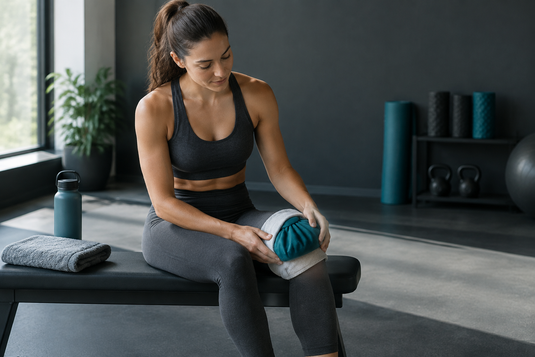
A cold pack can be a more manageable option than whole-body immersion when you want local cooling. Follow the product's instructions for preparation, application, and duration.
- Use an appropriate protective barrier rather than placing ice directly against bare skin.
- Check your skin regularly and stop if you notice burning, unusual colour changes, increasing pain, or numbness.
- Do not fall asleep with a cold pack in place.
- Do not apply cold to damaged skin or areas with reduced sensation unless a clinician has advised you to do so.
If you are treating an injury rather than ordinary post-exercise discomfort, get advice on the cause and appropriate care. Cooling symptoms is not a diagnosis.
Cold plunges and ice baths: understand the risks first
Sudden cold-water exposure can trigger gasping and rapid breathing and can place stress on the cardiovascular system. Water immersion also carries a drowning risk. It is not suitable for everyone, and beginners should not treat an ice bath as a casual challenge.
Before trying cold-water immersion, seek medical advice if you have a heart or circulation condition, a condition affecting sensation, a history of fainting, or any uncertainty about whether it is safe for you.
- Choose a supervised setting with a clear, easy way to exit. Do not immerse alone.
- Do not combine immersion with breath-holding, deliberate hyperventilation, or alcohol.
- Keep your head above water and avoid pushing through distress to meet a target.
- Exit immediately if you feel unwell, dizzy, confused, excessively cold, or unable to control your breathing.
Chest pain, fainting, or severe breathing difficulty requires urgent medical help. This guide does not prescribe an immersion temperature or duration; personalised guidance is more appropriate than copying an online routine.
How to decide whether cold therapy fits your routine
Start with your goal
Ask what you are trying to achieve. Temporary comfort after a hard session is different from treating persistent pain or preparing for another event. Your recovery strategy should match the situation.
Choose the least complicated suitable option
You do not need an extreme routine to recover with intention. Rest, gentle movement when comfortable, and consistent sleep may be more useful starting points than adding another recovery ritual.
Pay attention to your response
Notice how you feel during and after any cooling session. Stop if it causes discomfort or concerning symptoms. Feeling less sore is not a reason to ignore fatigue or increase your training load prematurely.
Keep your training goals in view
Do not assume that routine cold immersion after every workout is the best choice for every goal. If you are following a structured strength or competition programme, discuss its place with a qualified coach or healthcare professional.
Choosing cold-therapy equipment
Before buying a cold pack, wrap, or immersion setup, review its intended use and safety instructions. For local cooling, consider fit, a suitable skin barrier, and ease of checking the area during use. For immersion, prioritise safe access, supervision, water hygiene, and an easy exit.
Be cautious of products promising guaranteed healing, detoxification, or dramatic performance improvements. Useful equipment should come with clear instructions, not a reason to override your body's warning signs.
Common questions about cold therapy
Is cold therapy necessary after every workout?
No. It is an optional tool, not a requirement for a successful recovery routine. Start with the fundamentals and consider whether cooling serves a clear purpose for you.
Is an ice bath better than a cold pack?
Not automatically. They expose different areas of the body and carry different risks. More cold exposure does not necessarily mean more benefit.
Should I use cold therapy for ongoing pain?
Persistent, worsening, or unexplained pain needs assessment. Do not rely on cold therapy to mask symptoms or continue training through an injury.
How cold and how long should a session be?
There is no single prescription that suits every person and method. Follow the equipment's instructions for local cooling, and seek qualified guidance before cold-water immersion. Avoid using pain tolerance as your measure of safety.
Recover with intention, not extremes
A good recovery routine helps you return to training without turning recovery itself into another competition. Cold therapy may have a place in that routine, but consistency, sensible training decisions, and safety come first.
Train with purpose. Perform with confidence. Recover with intention.
This article provides general information, not personalised medical advice. Consult a qualified healthcare professional about injury symptoms or whether cold therapy is suitable for you.